What is Advocacy?
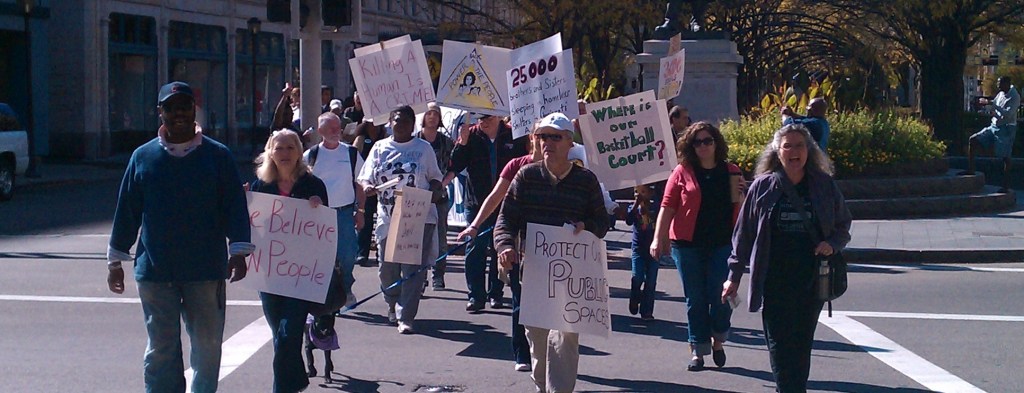
Macro level advocacy movements focus on addressing systematic causes of homelessness in order to institute lasting, permanent change. The Coalition works with local officials, community groups, and individuals who have or are experiencing homelessness to prevent homelessness, fight for the rights of individuals experiencing homelessness, advocate for affordable housing and fight against the criminalization of the homelessness.
Current Campaigns and Initiates
Decriminalizing Homelessness in Local Jurisdictions: The Coalition will work to establish a liaison program that works with city/county/suburban police departments on how to develop an appropriate approach/response to those experiencing homelessness within their jurisdiction. The Coalition will continue its efforts with the Cincinnati Police and Hamilton County Sheriff’s Department, but will also reach out to surrounding jurisdictions to help them develop appropriate responses within their communities through the development and implementations of the Homeless Bill of Rights and Police Sweep standards.
- Homeless Bill of Rights: Following efforts in other municipalities and decisions in federal courts, an effort to clean unconstitutional, freedom of speech and daily life crimes from the municipal code and
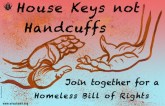 replace with proactive defense of basic rights here in Cincinnati through the establishment of the Homeless Bill of Rights. Coalition staff and Interns have begun outlining a proposed Bill of Rights for those living in Cincinnati and will encourage other local jurisdictions to as well. replace with proactive defense of basic rights here in Cincinnati through the establishment of the Homeless Bill of Rights. Coalition staff and Interns have begun outlining a proposed Bill of Rights for those living in Cincinnati and will encourage other local jurisdictions to as well.
- Police Sweeps: The Coalition on will continue to enforce that the City of Cincinnati conduct police sweeps in a manner that is guided by respect and basic human dignity. When police conduct a sweep of a homeless encampment, notification must be given to the Homeless Coalition and a 72- hour notice must be posted in the area of the encampment. Person’s belongings must be collected and treated in a respectful manner. The Coalition will then make contact with an outreach
 worker to help those being displaced find shelter. We will continue to enforce these standards and encourage other jurisdictions to conduct police sweeps in the same manner. worker to help those being displaced find shelter. We will continue to enforce these standards and encourage other jurisdictions to conduct police sweeps in the same manner.
Bridging the Housing Gap: The development and the preservation of affordable housing in
Cincinnati. We will work to implement the following strategies for funding new affordable housing units and the preservation of current affordable housing in Cincinnati: 
- Anti-Displacement Legislation- the creation and the passing of a “local affordable housing trust fund” funded by the local government. Anti-Displacement legislation would include “just cause eviction law.” This would give tenants added defense against the emptying of a building and would create a volunteer, city hosted body to appeal to before eviction court. The trust fund would most likely be funded through a “linkage fee.”
- Establish a Linkage Fee- The Coalition will work to create an ordinance in the City of Cincinnati to establish a linkage fee to increase the number of affordable housing units that are available.
 Linkage fees are typically charged to developers and then spent on affordable housing preservation or Linkage fees are typically charged to developers and then spent on affordable housing preservation or  production through existing housing programs. Linkage fee ordinances are one way to leverage private markets to produce affordable housing, fund home ownership programs, or preserve existing affordable rental housing here in Cincinnati. production through existing housing programs. Linkage fee ordinances are one way to leverage private markets to produce affordable housing, fund home ownership programs, or preserve existing affordable rental housing here in Cincinnati.
- Organizing Tenants in Vulnerable Housing Situations: The Coalition will continue its efforts
in organizing tenants of local apartment buildings owned by the Purtiz family, to stand up against the poor building management that allowed them to live in deplorable conditions for 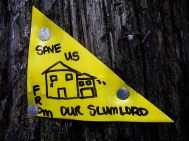 many years. After nearly 2 years of efforts led by the tenants, Legal Aid Society, and the Homeless Coalition, the largest case of receivership in Cincinnati’s history was granted. The Coalition will continue to advocate and organize the tenants to ensure the new building managers follow through with the rehabilitation of the building so it is safe for the thousands of individuals, families and children that live in the 1000+ units. many years. After nearly 2 years of efforts led by the tenants, Legal Aid Society, and the Homeless Coalition, the largest case of receivership in Cincinnati’s history was granted. The Coalition will continue to advocate and organize the tenants to ensure the new building managers follow through with the rehabilitation of the building so it is safe for the thousands of individuals, families and children that live in the 1000+ units.
Human Services/ Funding Coordination (Budget Advocacy)- Human Services dollars are designated for programs that aid low income individuals experiencing homelessness in Cincinnati. Throughout the last decade, the human services budget for the City of Cincinnati has been cut back. The Homeless Coalition advocates for the restoration 1.5% of the City’s operating budget towards health and human services.
Employment Pipeline: An effort to establish a pipe line for people experiencing homelessness to gain employment by the city with a living wage and benefits.  |
Past advocacy initiatives:
- Pinecrest
- The Alms
- Parkway Tower
- Police Sweep Legislation
- Metropole
- Anna Louise Inn
- City Gospel Mission
- Cincinnati became the third city in the Country to add Home Status, real or perceived, to hate crime legislation
Organizing:
Tenant Organizing
Affordable Housing:
Affordable Housing

 Greater Cincinnati Homeless Coalition
You must be logged in to post a comment.